FiberQ
In today's rapidly evolving digital landscape, data centers are vital for managing vast amounts of information. One critical component of these centers is the data center optical transceiver. These devices enable high-speed data transmission over fiber optic cables, making them essential for modern communication networks. With increasing demands for faster and more reliable connections, choosing the right optical transceiver can be daunting.
Buyers must navigate a plethora of options, each promising different performance levels and prices. It's important to consider factors like compatibility, speed, and distance. Not every transceiver is suited for every data center environment. Understanding the specific needs of your infrastructure is crucial for making informed decisions. There are common pitfalls in selecting these transceivers, such as focusing solely on cost or neglecting compatibility with existing systems.
Investing in a high-quality data center optical transceiver is often a balancing act. The right choice can enhance network efficiency and reduce long-term operational costs. However, failure to choose wisely can lead to underperformance and disruptions. As the market continues to evolve, staying informed and reflective about these decisions is essential for success in the field.
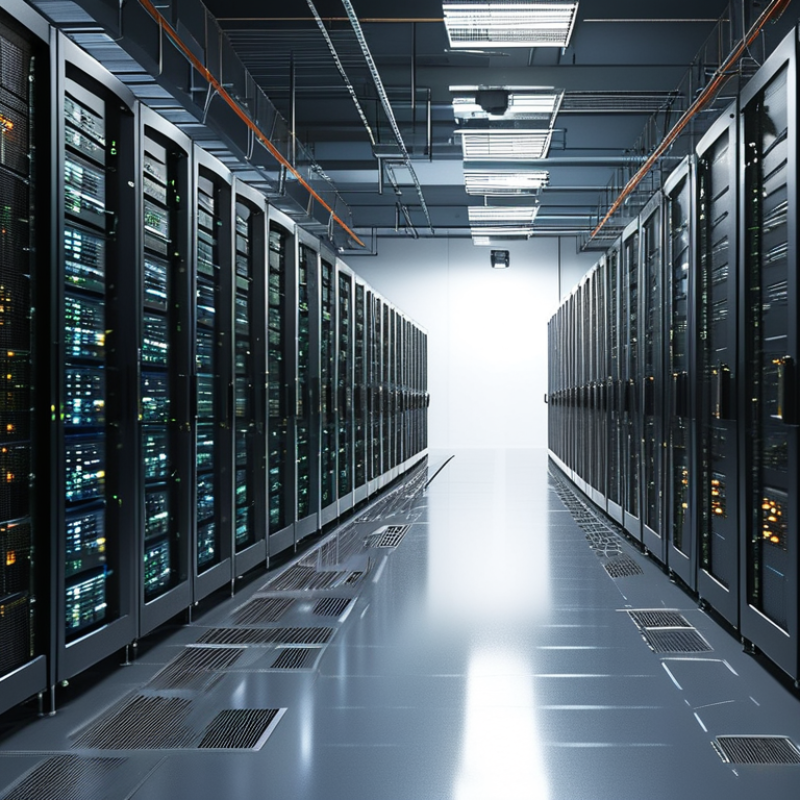
China’s optical transceiver market is rapidly evolving. In 2023, the market size for optical transceivers in data centers reached approximately $3.5 billion. Demand is driven by the increasing shift to cloud-based services. Data centers require higher bandwidth and lower latency. This has sparked a competition among transceiver manufacturers.
Emerging trends highlight the need for greater energy efficiency. Reports indicate that energy consumption in data centers accounts for about 1-2% of global electricity use. As regulations tighten around energy use, products that optimize power without sacrificing performance are increasingly sought after. Recent innovations focus on developing 800G transceivers, which promise to deliver more data while reducing congestion.
The shift toward automation in data centers is noteworthy. Companies are integrating AI-driven solutions to monitor and manage network performance. Such innovations also bring challenges. Ensuring compatibility among various platforms remains a hurdle. Many buyers express concerns over supply chain stability, especially with international logistics becoming more complex. The balance between high performance and reliable supply is a critical area for further reflection.
When selecting optical transceivers, buyers must consider several key specifications. These include data rate, distance, and form factor. Different types of optical transceivers serve different purposes, impacting overall system performance. Understanding these specifications is critical for optimizing data center operations.
One important factor is the data rate. It defines how quickly data can be transmitted. Higher data rates can enhance performance but may also raise costs. Distance is equally crucial. Some transceivers can operate over long distances. Others are limited to short-range usage. Choosing the right one is essential for meeting network demands.
When evaluating optical transceivers, remember to check compatibility with existing equipment. Not all transceivers work seamlessly. Mismatched components can lead to operational issues. Likewise, form factor should match the infrastructure to avoid installation hassles.
Tips for buyers: always consult with reliable sources when making decisions. Seek out expert opinions to ensure accuracy. Make sure to revisit your choices regularly. This reflects an understanding of changing technology and performance needs.
The demand for optical transceivers in data centers has surged in recent years. Various manufacturers in China are leading the charge. Choosing the right optical transceiver can differ based on specific needs. Not all products provide the same level of performance or reliability. Buyers should consider key factors such as bandwidth, distance, and compatibility.
When analyzing top manufacturers, many focus on cutting-edge technology. These companies invest heavily in research and development. This commitment ensures their products meet high standards. However, not every brand has the same reputation. Some newcomers may promise advanced features but lack a solid track record.
It’s crucial to stay informed. Market trends can shift rapidly. Users should regularly review specifications and customer feedback. Consider using formal reports or industry reviews as part of your decision process. Transparency in product performance can help avoid unexpected issues. Pay attention to after-sales service as well; it can greatly influence long-term satisfaction.
| Transceiver Type | Form Factor | Max Data Rate (Gbps) | Distance (km) | Wavelength (nm) | Application |
|---|---|---|---|---|---|
| SFP+ | SFP | 10 | 80 | 850 | Data Center |
| QSFP+ | QSFP | 40 | 150 | 850 | High Bandwidth |
| QSFP28 | QSFP | 100 | 70 | 1310 | Data Centers |
| CFP | CFP | 100 | 400 | 1550 | Long Distance |
| XFP | XFP | 10 | 80 | 1310 | Telecom |
When evaluating optical transceiver solutions for data centers in China, performance metrics emerge as crucial indicators. Buyers should assess key specifications such as data rates, reach, and power consumption. Data rates often range from 1 Gbps to 400 Gbps. Understanding the specific requirements of your data center is essential. This understanding helps in selecting appropriate solutions that balance speed and energy efficiency.
Another important aspect is the operating distance. For example, short-range transceivers perform well in compact setups, while long-range options support connections across vast networks. Each transceiver type exhibits varying levels of reliability and latency. These factors can significantly impact overall data transmission efficiency.
It’s worth noting that while many products may look attractive on paper, practical performance can vary. Real-world testing is vital. Buyers should not solely rely on vendor claims. Conduct due diligence to uncover potential weaknesses or compatibility issues. Engaging with industry experts can provide invaluable insights, leading to more informed purchasing decisions.
The cost-benefit analysis of optical transceivers in Chinese data centers highlights crucial factors influencing decision-making. As reported in the "2023 Optical Transceiver Market Insights," the overall demand for transceivers is expected to grow by 14% annually. This trend arises due to the need for higher bandwidth and faster data processing. Chinese data centers are particularly focused on cost efficiency without compromising performance.
Investing in optical transceivers can seem daunting. The initial purchase cost can range between $30 to $500 per unit, depending on specifications. However, operational efficiency gained from these devices often leads to significant long-term savings. For instance, a study by the China Internet Network Information Center emphasizes that utilizing advanced optical technologies can reduce energy consumption by 30%.
Selecting the right optical transceiver requires thorough consideration beyond just price. Parameters such as compatibility, speed, and reliability are essential. Data from recent surveys show that many organizations grapple with balancing quality and affordability. A miscalibrated choice can lead to performance issues. Ultimately, as data demands rise, the right optical transceiver can make or break a data center's efficiency and reliability.
: Focus on data rate, distance, and form factor. These factors significantly impact performance.
Higher data rates enhance performance but may also increase costs. Ensure alignment with your needs.
Some transceivers work for long distances, while others are for short-range. Match the choice with requirements.
Ensure transceivers are compatible with existing equipment. Mismatched components can cause operational issues.
Choose a form factor that matches your infrastructure. Mismatched forms complicate the installation process.
Expert opinions can provide clarity and accuracy. Regularly revisit your choices to align with evolving technology.
Trends shift rapidly. Regularly review specifications and user feedback before making a purchase.
Prices can vary from $30 to $500 per unit, based on their specifications and capabilities.
No, you should focus on quality, compatibility, and reliability too. A poor choice can lead to performance issues.
They can reduce energy consumption by about 30%, contributing to overall efficiency and savings in the long run.
The article "Top China Data Center Optical Transceiver Solutions for Buyers" explores the evolving landscape of the optical transceiver market in China, particularly as it pertains to data centers. It highlights emerging trends driving innovation, such as increasing demands for higher bandwidth and the adoption of new standards. Key specifications and standards are discussed, which play a critical role in guiding buyers toward suitable optical transceiver solutions.
Additionally, the article provides an overview of the leading manufacturers in China and evaluates their offerings based on performance metrics that matter most to buyers. A cost-benefit analysis is also presented, underscoring the importance of evaluating both upfront costs and long-term operational efficiencies in selecting the right data center optical transceiver. This comprehensive analysis equips buyers with the knowledge to make informed purchasing decisions in a competitive market.
