FiberQ
Choosing an optical module supplier can shape a network’s speed, stability, and long-term operating costs. The decision reaches beyond catalog prices and attractive product images. Engineers must examine compatibility, transmission distance, temperature range, manufacturing controls, and after-sales support. A module that works in a laboratory may behave differently inside a crowded data center.
Practical evaluation starts with evidence. Ask for datasheets, test reports, compliance information, and clear warranty terms. Check whether the supplier supports common standards, such as Ethernet, Fibre Channel, or coherent optical applications. Review connector types, fiber modes, wavelengths, power consumption, and digital diagnostic monitoring. These details affect installation time and fault detection. A reliable optical module supplier should explain them without hiding behind vague technical language.
Look for real production experience. Can the supplier provide traceable quality records and consistent batch performance? Can its engineers help diagnose link loss, interoperability problems, or unstable temperatures? References from comparable projects can reveal more than polished marketing claims. However, no supplier is perfect. Delivery promises may change, and compatibility tests can expose unexpected limitations. That is why sample testing, written specifications, and a small pilot order remain sensible safeguards. This guide explores how to compare suppliers with a clear, technical, and practical approach. It also considers an uncomfortable question: is the lowest quotation truly economical after failures, replacements, and maintenance are included?
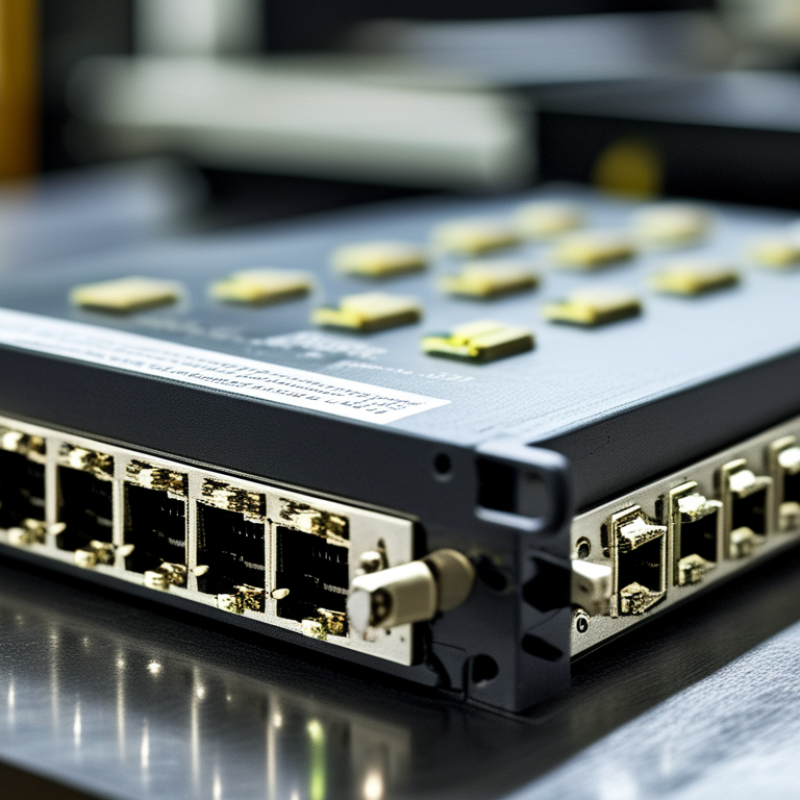
An optical module supplier does more than sell pluggable hardware. In 100G networks, it provides modules matched to QSFP28 ports, fiber type, reach, and host-side signaling. At 400G, suppliers manage higher lane counts, PAM4 optics, FEC requirements, and tighter thermal limits. 800G raises the pressure further. Modules must align with switch firmware, cooling design, and breakout plans. Small mismatches can create unstable links or wasted capacity.
A capable supplier should show measured data, not only a product table. Ask for eye diagrams, BER results, power consumption, temperature ranges, and interoperability records.
For 400G and 800G deployments, request samples for testing in the actual switch, transceiver cage, and fiber plant. Check digital diagnostics, serial traceability, warranty terms, and replacement speed.
Practical experience matters. A supplier that understands cabinet airflow can prevent problems before installation.
Cost still matters, but the lowest quote may hide weaker validation or longer recovery time.
Review production controls, component sourcing, quality inspections, and compliance documentation. Confirm whether the supplier can support volume changes without silently changing specifications. I have seen planning fail when teams tested only at room temperature. That assumption was too optimistic. Thermal behavior, dirty connectors, and mixed firmware can expose faults later. Choose a supplier willing to discuss uncomfortable details, document limits clearly, and correct mistakes quickly.
An optical module supplier does more than sell a small transceiver. It should help match wavelength, fiber type, distance, and network speed. The three common transmission windows are 850, 1310, and 1550 nm. Each solves a different engineering problem.
The 850 nm window is widely used with multimode fiber in short data-center links. It supports practical, cost-conscious connections, often across racks or nearby rooms.
The 1310 nm window usually travels through single-mode fiber with lower chromatic dispersion. It suits metropolitan links and moderate distances.
The 1550 nm window offers lower fiber attenuation, making it valuable for long-haul systems and dense wavelength networks.
However, higher reach does not automatically mean better performance. Connector quality, receiver sensitivity, dispersion, and power budget still matter.
A capable supplier should provide measured specifications, compatibility guidance, and clear test procedures. Ask for data on operating temperature, transmission distance, bit-error performance, and digital monitoring accuracy. Request samples for interoperability testing before placing a large order.
I have seen specifications look convincing until modules faced heat, dust, or mixed network equipment. The neat rule has exceptions. Some 1310 nm modules outperform poorly designed 1550 nm units in real installations.
Check the actual link budget, not only the wavelength. A reliable supplier also explains limitations instead of hiding them. Pay attention to traceable quality control, aging tests, and responsive engineering support.
An optical module supplier provides transceivers, test data, compatibility guidance, and lifecycle support. The key challenge is comparing 100 m to 80 km reach without treating every module equally. IEEE 802.3-2022 separates short-reach, single-mode, and extended-reach Ethernet interfaces. ITU-T G.959.1 also links optical performance with distance, wavelength, and path penalties.
Check the test conditions behind a claimed BER of ≤10⁻¹². One error per trillion bits sounds impressive. It is not enough alone. Ask for pre-FEC and post-FEC BER, temperature results, receiver sensitivity, and dispersion margins. A 100 m module may use multimode fiber in a data-center row, while an 80 km module may require coherent transmission and tighter power planning. Different physics apply. The comparison can be unfair.
Industry traffic data supports stricter validation. The Cisco Annual Internet Report projected global IP traffic at 396 exabytes per month by 2022. That scale makes small link errors expensive. During supplier checks, request 24-hour traffic testing, not only a static factory screenshot. Confirm connector loss with a power meter and inspect an actual eye diagram. Ask whether the ≤10⁻¹² figure applies before or after FEC. I would also verify interoperability across operating temperatures. Datasheets are useful, but field evidence is better. Some suppliers provide excellent numbers with weak documentation. That deserves caution.
An optical module supplier provides transceivers for fiber and data networks. It may also offer coding, testing, technical support, and replacement services. In real network projects, standards matter more than a polished product page. A practical evaluation begins with test reports, traceability records, and clear compatibility data.
MSA defines mechanical, electrical, and management interfaces for compatible modules. It helps products fit standard cages and communicate predictably. However, MSA compliance does not guarantee identical performance in every chassis. Firmware settings, host tolerances, and thermal conditions can still change results. IEEE 802.3 defines Ethernet requirements, including speed, reach, signaling, and power limits. Check wavelength, transmission distance, temperature range, and link budget. Do not accept “compatible” without measured evidence.
RoHS controls restricted substances in electrical and electronic products. Ask for current declarations and material records, not copied files with unclear dates. ISO 9001 indicates a controlled quality management system. Yet certification cannot replace incoming inspection, burn-in data, or failure analysis. A reliable supplier should explain sampling plans, failure rates, and replacement procedures. Request serial-level traceability when possible. Some documents look impressive but hide test conditions. That gap deserves questions, not assumptions.
This chart shows which supplier-selection areas are directly addressed by MSA specifications, IEEE 802.3, RoHS, and ISO 9001. A value of 1 means the framework directly covers the area; 0 means it does not.
MSA specifications support mechanical, electrical, and optical interoperability between modules and host equipment. IEEE 802.3 defines Ethernet architecture and PHY requirements. RoHS addresses restrictions on hazardous substances, while ISO 9001 focuses on the supplier’s quality management system. A qualified optical module supplier should provide evidence relevant to all four areas.
An optical module supplier provides transceivers, compatibility guidance, testing, and after-sales support. Procurement should examine more than unit price. LightCounting’s 2024 market analysis estimated the optical transceiver market at roughly US$11 billion in 2023. Demand remains strong, especially for high-speed data-center links.
Ask suppliers to quote identical specifications. Compare price, coding, power consumption, warranty, and shipping terms. A cheaper module may require extra qualification work. Confirm whether standard orders ship within two to eight weeks. Request a written production schedule, not a verbal promise. Dell’Oro Group’s 2024 optical networking research also highlights capacity pressure across high-speed infrastructure. Delays can therefore affect installation plans quickly.
Tips: Request a sample batch before volume purchasing. Check insertion loss, transmission distance, temperature performance, and interoperability. Ask for test reports, calibration records, and a clear RMA process. Support should include remote troubleshooting and replacement timelines. A supplier with application engineers can reduce debugging time. However, no checklist predicts every field failure. Our experience suggests testing three samples is useful, but testing only three may still be insufficient. Pricing should include freight, customs handling, spare units, and possible requalification costs.
: Match the wavelength, fiber type, transmission distance, and network speed. Details matter.
It commonly works with multimode fiber across short data-center links. It may connect nearby racks or rooms.
It usually operates through single-mode fiber with lower chromatic dispersion. It suits metropolitan links and moderate distances.
It has lower fiber attenuation, supporting long-haul systems and dense wavelength networks. Longer reach is not always better.
No. Connector quality, receiver sensitivity, dispersion, and power budget also affect the link. Check the real link budget.
Request samples, measured specifications, compatibility data, and clear test procedures. Test mixed equipment early.
Ask for interface compliance records, Ethernet test data, restricted-material declarations, and quality-system certificates. Documents need dates.
Look for traceability, aging tests, sampling plans, failure rates, and replacement procedures. Serial-level records help.
Heat, dust, and host tolerances can change module performance. A clean specification may fail onsite.
Assuming certification guarantees identical performance in every chassis. It does not.
An optical module supplier provides transceiver solutions that support high-speed data transmission in 100G, 400G, and 800G networks. Choosing the right supplier requires understanding key optical fundamentals, including the typical roles of 850 nm, 1310 nm, and 1550 nm transmission windows, as well as the distance and performance requirements of each application. Buyers should compare modules designed for reaches from 100 meters to 80 kilometers and verify whether they can maintain a bit error rate of 10⁻¹² or lower.
A reliable supplier should demonstrate compliance with relevant MSA specifications, IEEE 802.3 standards, RoHS requirements, and ISO 9001 quality practices. Procurement decisions should also consider total pricing, expected lead times of approximately 2–8 weeks, production and compatibility testing, warranty terms, and technical support. Evaluating these factors together helps organizations select an optical module supplier that delivers consistent quality, dependable deployment, and long-term network value.
