FiberQ
In the ever-evolving world of telecommunications, the role of the telecom optical transceiver cannot be overstated. These devices serve as the backbone of high-speed data transmission. They facilitate seamless communication across vast distances, making them essential for global buyers. Selecting the right optical transceiver can be challenging, given the myriad of options available.
Many buyers grapple with understanding specifications and compatibility. Choosing an inferior product can lead to network inefficiencies. On the other hand, a well-chosen telecom optical transceiver enhances performance and reliability. It’s critical for buyers to weigh factors like speed, range, and compatibility with existing systems.
Furthermore, ongoing advancements in technology leave some buyers uncertain. Staying informed about the latest trends is vital for making informed choices. However, the abundance of choices can overwhelm them. This guide will explore the top telecom optical transceivers that stand out in the market. Each option is selected based on performance, reliability, and expert recommendations.
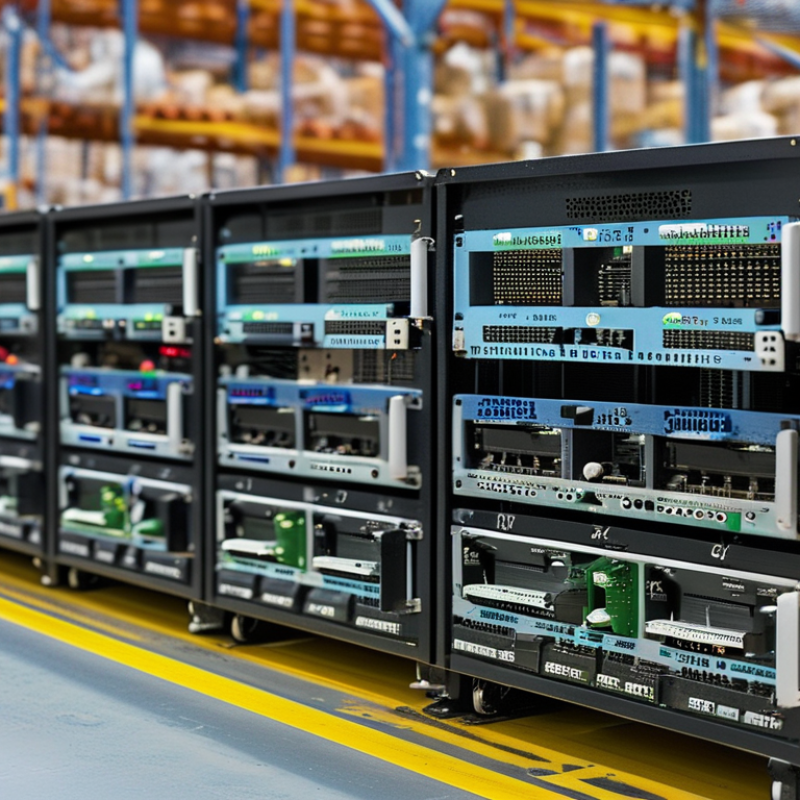
The telecom industry relies heavily on optical transceivers for efficient data transmission. These devices convert electrical signals into optical signals and vice versa. Their role is crucial in enhancing communication capabilities across the globe. They support various networking protocols, making them versatile components in modern infrastructures.
Optical transceivers must meet certain performance standards. High data rates, low latency, and compatibility with different network types are key criteria. However, it is essential to address the challenges in choosing suitable transceivers. With numerous options available, distinguishing quality from subpar products can be overwhelming. Buyers need to thoroughly evaluate specifications and supplier reliability.
While optical transceivers offer significant advantages, issues such as interoperability and system integration persist. Transceiver compatibility with existing network devices is not always straightforward. A lack of standardized protocols can lead to inefficiencies. Therefore, staying informed about technological advancements and market trends is vital for stakeholders in the telecom sector. Navigating these complexities can make a significant difference in achieving optimal network performance.
When selecting optical transceivers, buyers should consider several key specifications. One crucial aspect is the data rate. This determines how fast data can be transmitted. Common rates include 1G, 10G, and even 100G in high-performance scenarios. Understanding the required bandwidth can prevent future bottlenecks.
Another important factor is the transmission distance. This varies depending on the optical fiber used. Short-range transceivers are suitable for distances of up to a few kilometers. Long-range options extend up to 80 kilometers or more. High-performance needs must align with the chosen distance capabilities.
Compatibility is also a significant consideration. Ensure the transceiver works seamlessly with existing equipment. Mismatches can lead to inefficiencies. Always consult compatibility charts before making a decision. Understanding these specifications helps buyers choose suitable optical transceivers. It reflects both their current needs and future growth potential.
When considering telecom optical transceivers, global buyers face various options. It's crucial to select devices that ensure high reliability, efficiency, and compatibility. Various types serve different networking needs. For long-range applications, high-speed transceivers can significantly enhance performance but may come with challenges regarding installation and maintenance.
The first recommendation focuses on simplicity and ease of use. These transceivers often require minimal configuration. They are well-suited for large networks. However, buyers must consider the specific distances involved. Some may need adjustments for optimal data rates. For shorter connections, more affordable, compact models may suffice. Buyers might overlook quality when prioritizing cost, but reliability is essential for operational integrity.
Moreover, the integration of advanced technologies is becoming more common in today's optical transceivers. Features like digital diagnostics can significantly assist in monitoring performance. Despite the advantages, these advanced models may complicate the setup process. Balancing performance and ease of use is a challenge. Buyers often need to reflect on their specific requirements and the trade-offs involved.
This chart displays the performance in Gbps of the top 5 recommended telecom optical transceivers. Each transceiver is evaluated based on its efficiency and effectiveness in global telecommunications.
In the fast-evolving telecom industry, selecting the right optical transceiver is crucial. The performance and cost comparison among leading transceivers reveals significant insights for global buyers. A recent report from Cisco indicates that the demand for high-speed optical transceivers is projected to grow by 15% annually. This increase underscores the importance of understanding device specifications, such as data rates, transmission distances, and power consumption.
Performance metrics vary considerably. Some transceivers achieve data rates up to 400 Gbps, optimized for long-distance transmission with minimal latency. However, cost-effectiveness is equally vital. The average market price for a high-performance transceiver can exceed $1000, while entry-level options typically range from $200 to $500. Buyers must weigh the long-term benefits of higher investments against immediate budget constraints.
While some manufacturers focus on delivering high-capacity solutions, others prioritize price efficiency. This diversity in the market allows businesses to align their budget and performance requirements effectively. However, an emphasis on cost can sometimes lead to compromised quality and sustainability. Evaluating the total cost of ownership, including maintenance and energy expenses, is often overlooked but essential for making informed decisions.
The future of telecom optical transceiver technology is an exciting landscape. Data from recent industry reports indicate that the global optical transceiver market is expected to reach over $7 billion by 2026, growing at a CAGR of around 15%. This growth reflects increasing demand for high-speed internet and data transmission capabilities. New technologies, such as higher baud rates and advanced modulation formats, are paving the way for faster and more efficient optical transceivers.
Technological advancements like silicon photonics are becoming critical. This approach offers significant cost savings and improved integration, which enhances performance. However, challenges remain. Achieving scalability while maintaining low power consumption is a delicate balance. Many organizations are grappling with these issues, which can impact the effectiveness of deployment strategies.
Another key trend is the shift towards sustainability in the optical transceiver market. Companies are looking for eco-friendly materials and energy-efficient designs. A report from an industry analyst noted that over 30% of manufacturers are prioritizing green technologies. This shift is essential for meeting evolving regulations and consumer expectations. Yet, there is still a long way to go before sustainability becomes a standard practice across the industry.
: They convert electrical signals to optical signals for data transmission. This enhances global communication capabilities.
High data rates, low latency, and cross-network compatibility are essential criteria for performance.
The market is saturated with options. Distinguishing high-quality products from inferior ones can be overwhelming.
Compatibility with existing devices isn't always clear. Non-standardized protocols can create inefficiencies and challenges.
Evaluating specifications and supplier reliability is crucial. Serious buyers often need to reflect on their needs carefully.
Yes, features like digital diagnostics aid in performance monitoring. However, they may complicate installation.
High-speed transceivers are ideal for long distances. Yet, they may present installation and maintenance challenges.
Cost influences decisions, but compromising quality can jeopardize operational integrity. Balance is essential.
More affordable and compact models may work. However, quality must still be a priority to ensure reliability.
Integration of advanced technology is rising. Buyers must weigh performance benefits against setup complexities.
The article titled "Top 5 Telecom Optical Transceivers for Global Buyers" provides a comprehensive overview of optical transceivers within the telecommunications industry. It emphasizes the importance of understanding key specifications such as data rate, distance, and compatibility when selecting telecom optical transceivers for various applications. Additionally, the article highlights the top five recommended transceivers, comparing their performance and cost to assist buyers in making informed decisions.
Furthermore, the discussion delves into future trends in telecom optical transceiver technology, exploring advancements that could enhance data transmission efficiency and broaden application scope. By addressing both current offerings and emerging technologies, the article serves as a valuable resource for global buyers looking to optimize their telecommunication systems with the best optical transceiver solutions available.
