FiberQ
FiberQ
FiberQ
Reliable components designed to ensure structural integrity and high-speed data transmission across multi-tier telecommunications networks.
Providing custom, high-density physical layer defense mechanisms to protect sensitive glass splices under high mechanical tension, chemical exposure, and moisture ingress.
In modern high-speed optical telecommunication networks, fiber distribution parameters demand minimal attenuation margins. Splice points are structurally vulnerable. A Dome Fiber Optic Splice Closure (FOSC) serves as the primary barrier protecting optical splices from destructive outdoor elements.
Unlike inline closures, dome closures (often called vertical closures) feature a base-to-dome mechanical seal that is highly resilient under hydrostatic pressure and mechanical impacts. This engineering choice allows deployment in underground handholes, aerial poles, wall-mount platforms, and direct buried configurations.
As a leading custom OEM manufacturer, FiberQ Photonics offers tailorable configurations focusing on:
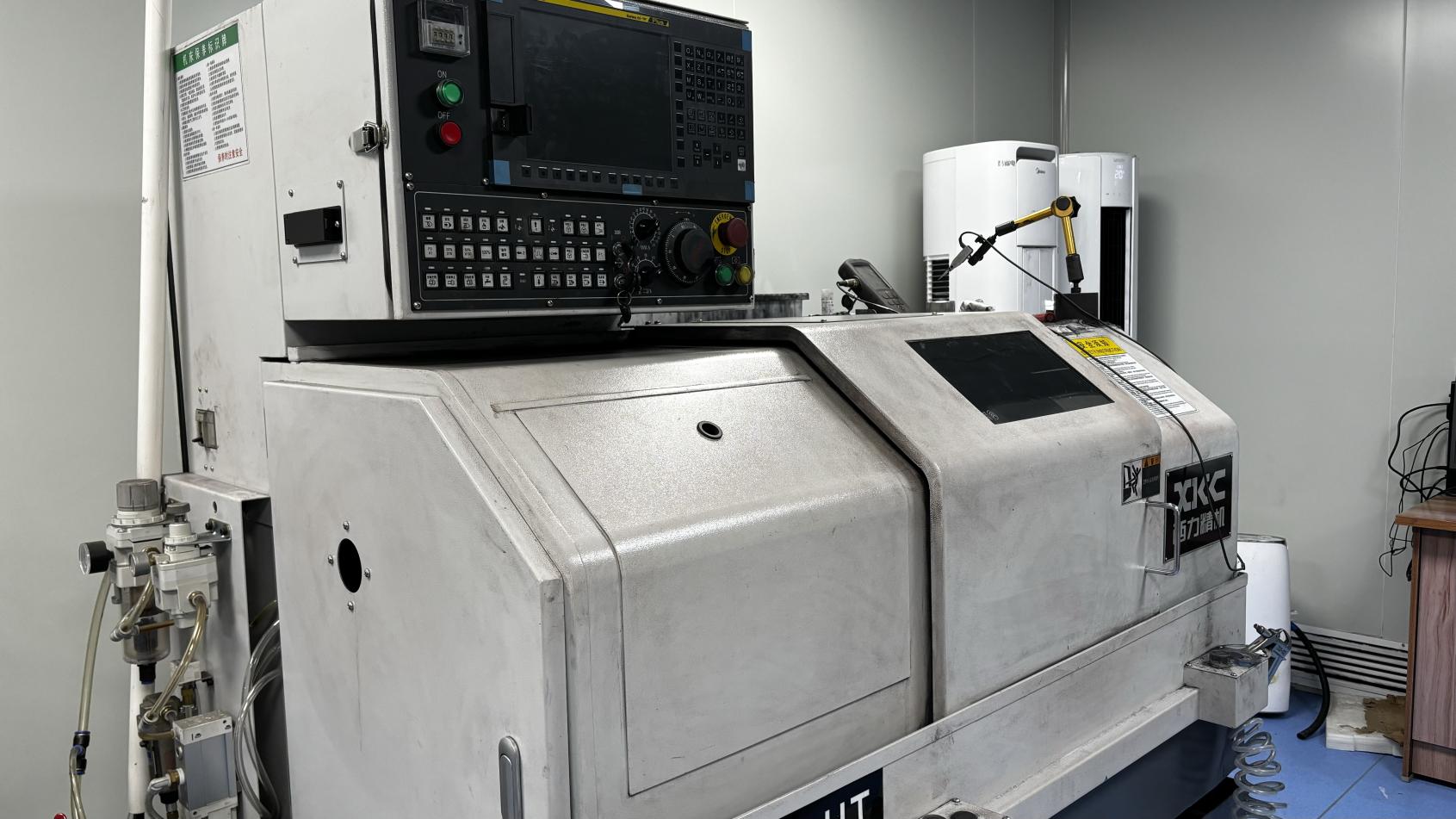
Demonstrating established engineering expertise and infrastructure for international OEM/ODM demands.
A breakdown of the materials, structural components, and design configurations engineered for prolonged deployment life.
FiberQ utilizes high-grade Polypropylene (PP) compounded with specific UV inhibitors, flame retardants, and thermal stabilizers. This guarantees structural stability over an operating range from -40°C to +65°C without environmental stress cracking.
Features 1 round port for expressing uncut buffer tubes and up to 8 drop ports. The base structure accommodates multiple heat-shrink or mechanical sealing glands, making it adaptable to varied network distribution densities.
Engineered splice trays support up to 24 or 48 cores per tray. Dynamic hinge design permits 90-degree-plus vertical rotation for unimpeded access to lower trays while preserving a minimum 30mm optical bend radius.
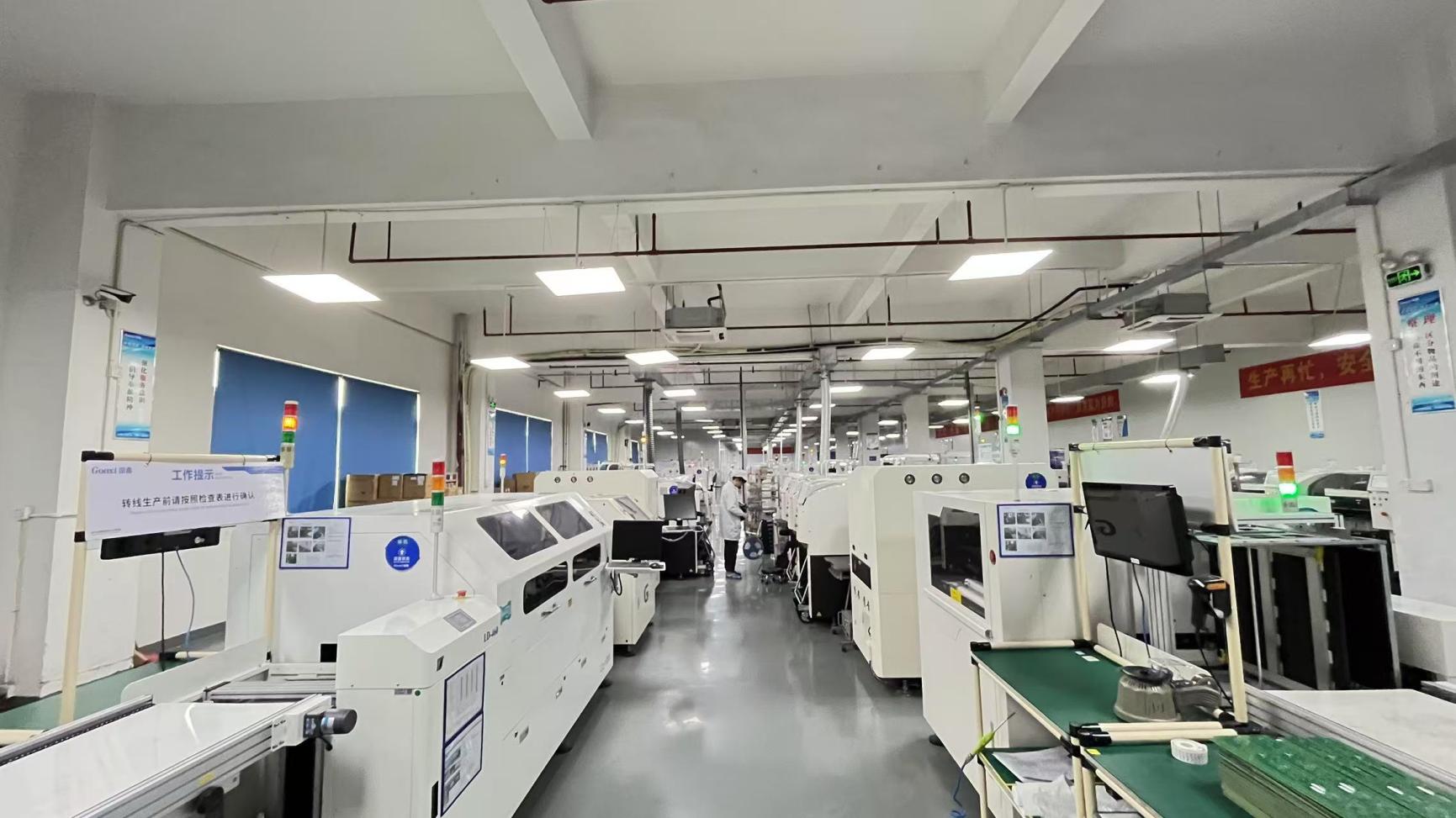
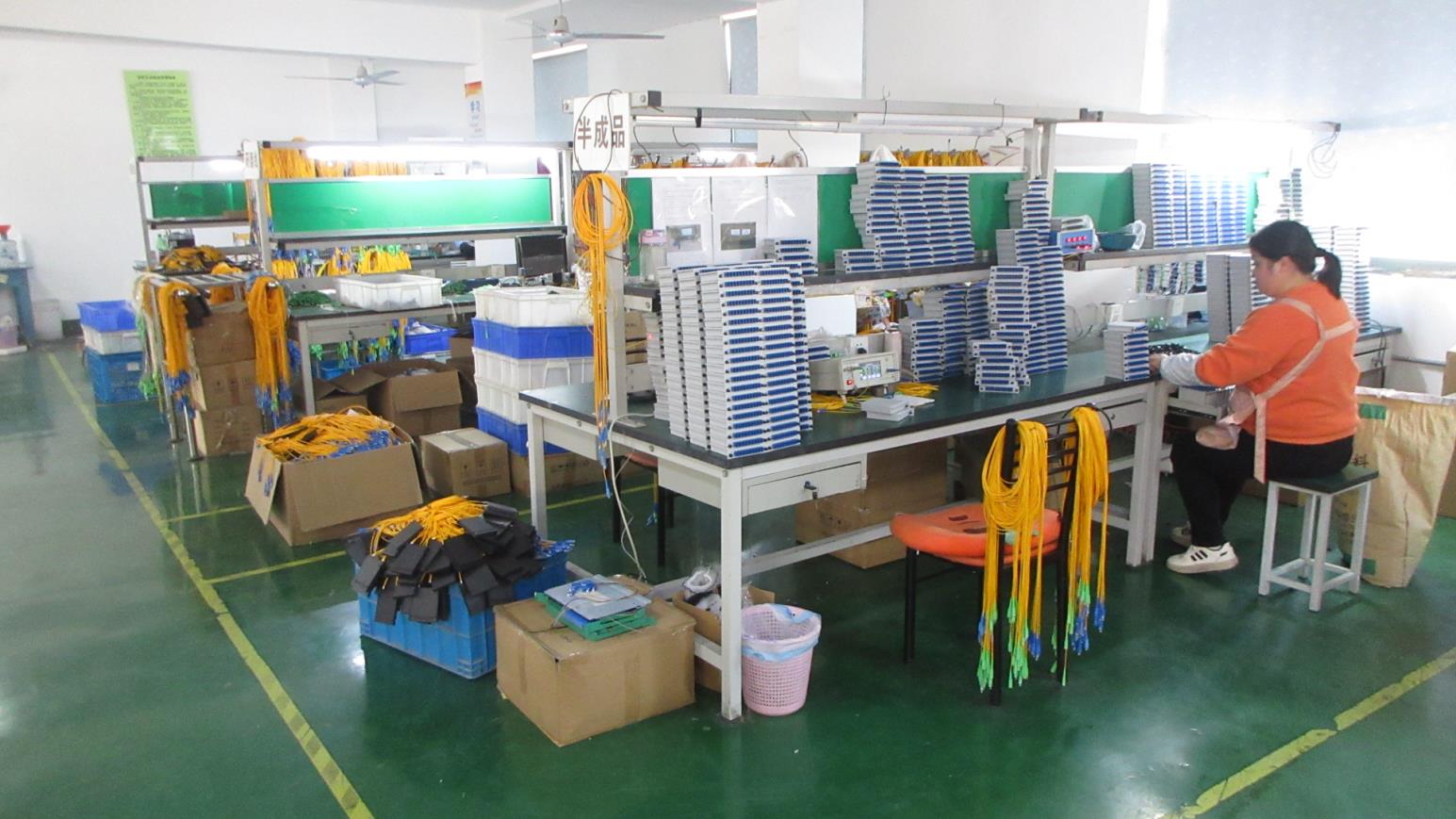
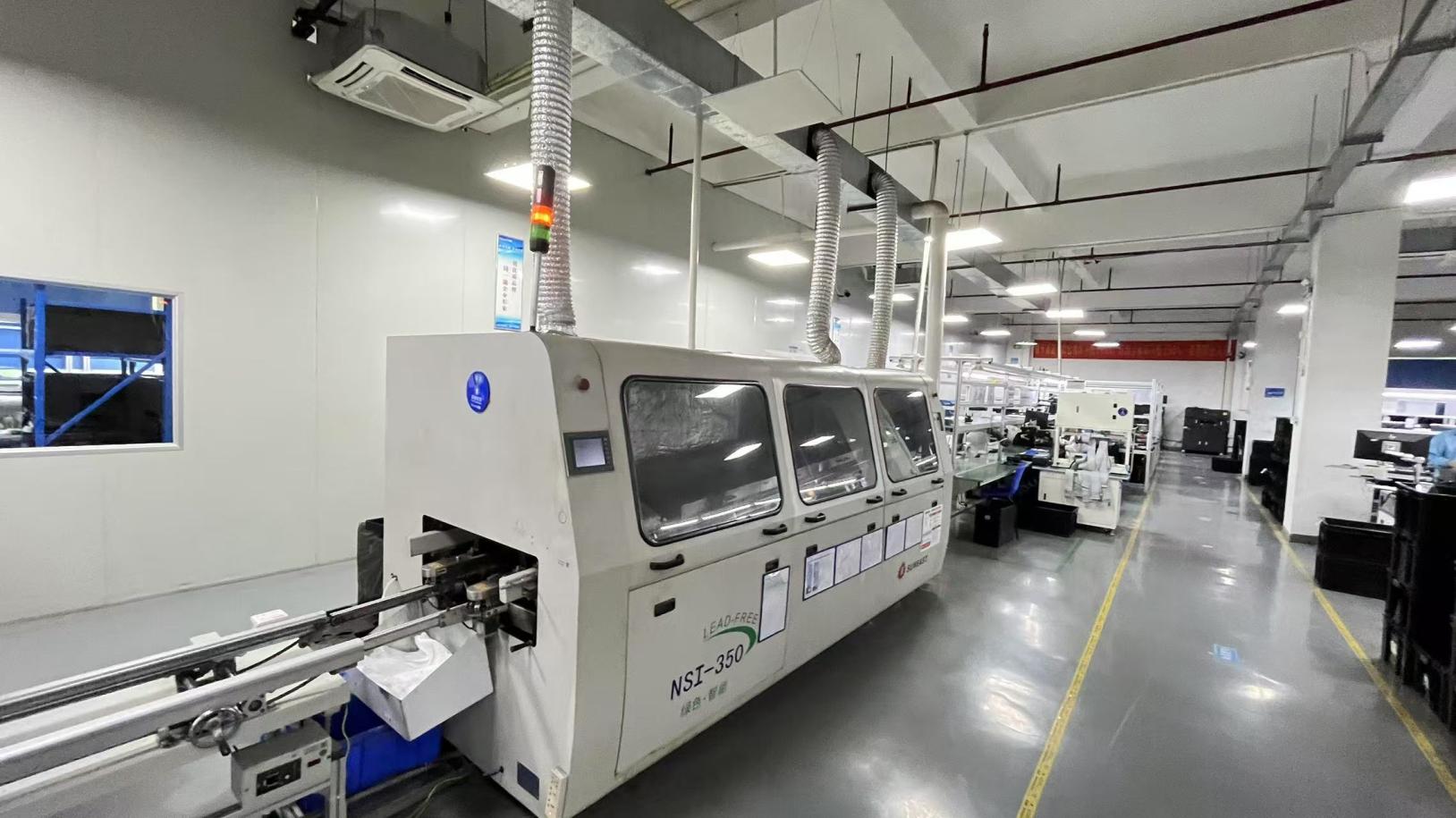
Operating a modernized 12,600㎡ manufacturing hub, FiberQ Photonics leverages smart manufacturing processes. Production control involves continuous monitoring of materials, injection-molding parameters, and environmental tolerances.
By partnering with approximately 1,450 supply chain suppliers, we secure critical raw materials—ranging from optical gel seals to specialty polymer additives. This robust network ensures uninterrupted manufacturing and delivery even during volatile market cycles.
Quality control is maintained by 62 specialized quality inspectors utilizing testing protocols that include:
How dome fiber closures are adapting to ultra-dense distribution systems and smart network environments.
The transition toward 5G networks, FTTx expansions, and cloud-edge data centers has driven demand for high-density, low-loss optical fiber networks. This evolution shapes the technology roadmap for Dome Fiber Closures:
1. Ultra-High Density ribbon fiber management: Modern deployments utilize ribbon cables containing hundreds or thousands of fibers. Next-generation dome closures feature optimized, spacious internal routing spaces and specialized high-density splice trays to manage ribbon fibers efficiently.
2. Smart Closures with IoT Integration: The integration of passive IoT sensors within dome closures allows real-time environmental monitoring. These smart closures can detect internal humidity changes, pressure drops, unauthorized entry, or cable strain, sending automated alerts to central operations teams to prevent network downtime.
3. Advanced Mechanical Sealing (Tool-Less Installation): Traditional heat-shrink sealing requires flame torches or heat guns, which present safety hazards in confined, hazardous areas. The industry is moving toward tool-less mechanical seals, featuring re-enterable gel blocks that simplify installation, cut maintenance time, and lower deployment costs.
Tailored physical layer protection systems designed for diverse telecommunications environments.
Highly configurable drop ports support multi-port service terminals (MSTs). Allows quick connection changes for last-mile customer drops, protecting distribution splitters from local environmental factors.
Rugged, thick-walled dome enclosures safeguard high-core-count trunk cable splices under high tensile loading, aerial wind vibrations, and underground water pressure.
Resistant to saltwater corrosion, industrial acids, and petroleum-based pollutants. Specially formulated polymers protect connections near petrochemical plants and coastal environments.
Enterprise network integrators and telecom carriers require absolute compliance to prevent premature physical plant failures. FiberQ supports global procurement teams by providing comprehensive documentation, trace reports, and adherence to international design standards.
Compliance & Quality Standards: We manufacture in compliance with IEC 61300 standards, Bellcore GR-771-CORE requirements for fiber optic splice closures, and RoHS/REACH directives. This ensures our dome closures can be deployed globally without regulatory issues.
Localization & Logistics Support: We collaborate with regional distributors and logistics companies to offer DDP, FOB, and CIF shipping options. This provides end-to-end delivery tracking, simplified customs clearance, and local warehousing support for large-scale fiber buildouts.
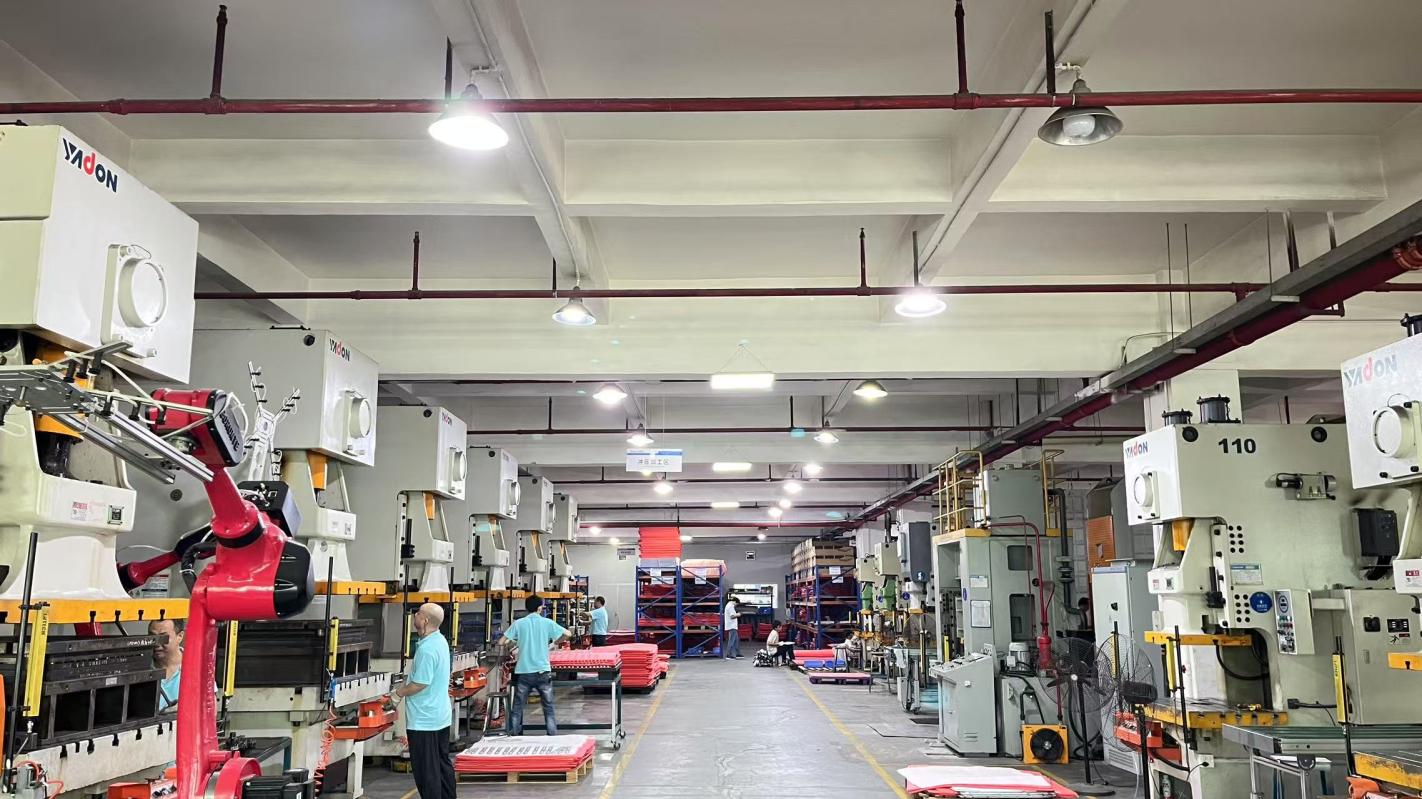
Leveraging deep R&D and engineering capabilities to transform custom design concepts into field-deployed solutions.
FiberQ Photonics has 12 years of industry experience and 6 years of export history, serving markets in North America, Europe, Japan, and Southeast Asia. We support your custom product needs from concept to production:
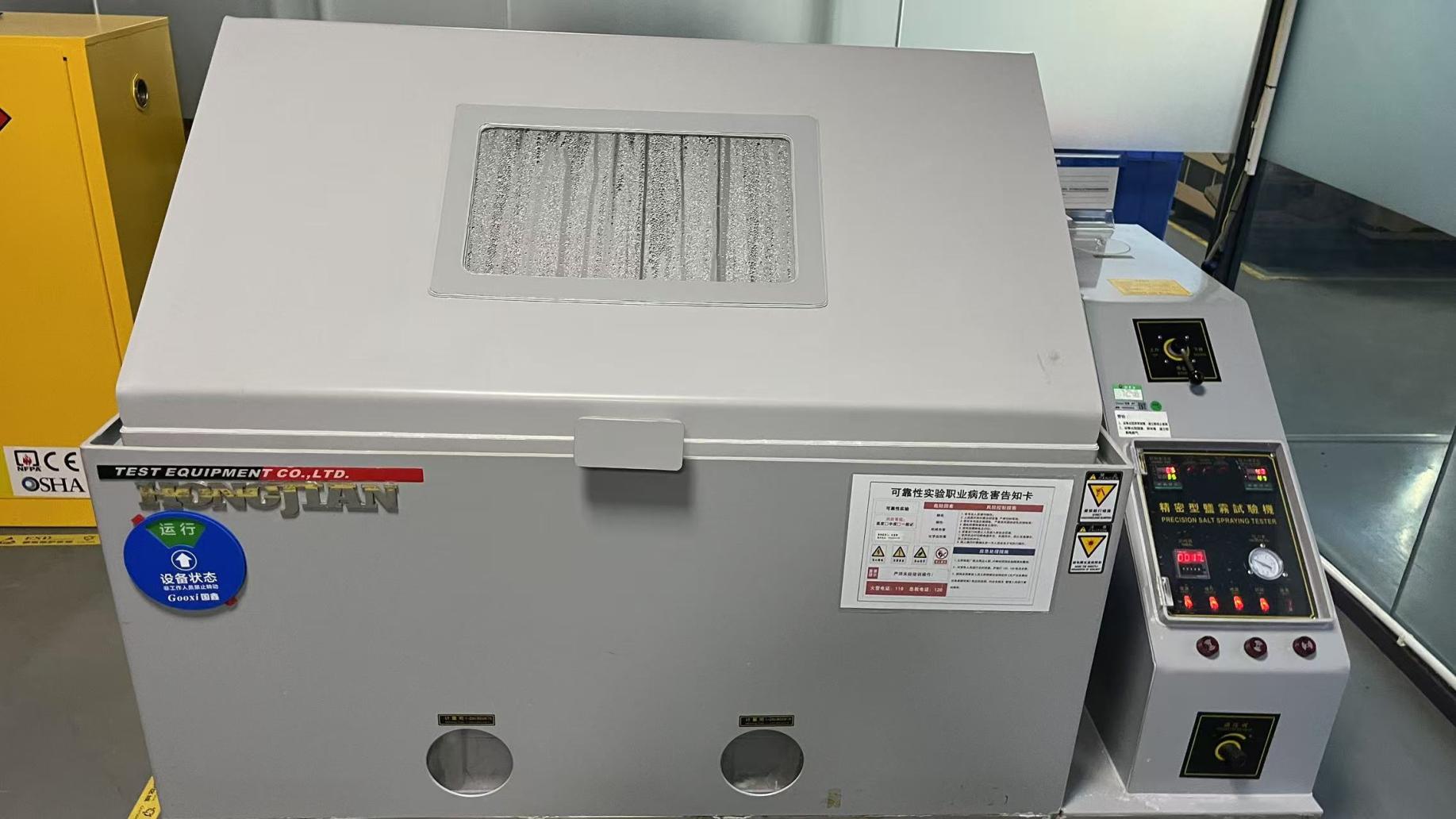
Take a virtual tour of our 12,600㎡ modern manufacturing facility, automated assembly systems, and quality control laboratories.

Technical details on selecting, deploying, and customizing dome fiber optic splice closures.
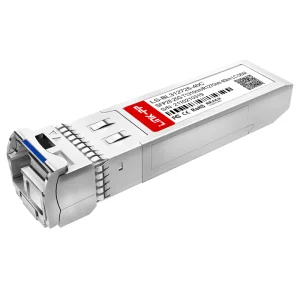
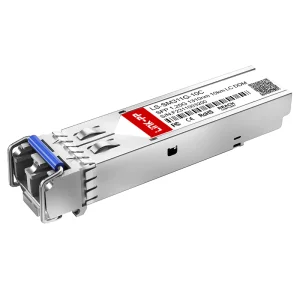
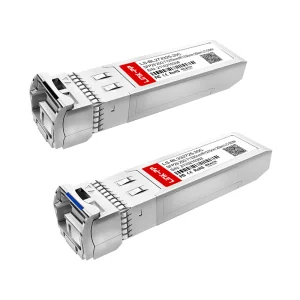
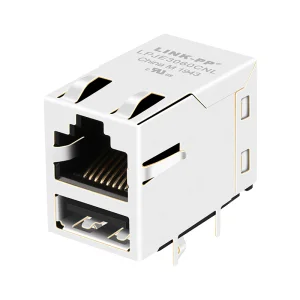
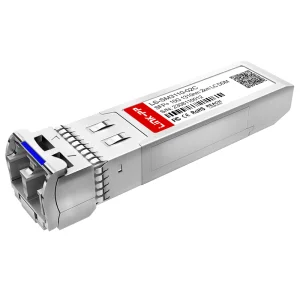
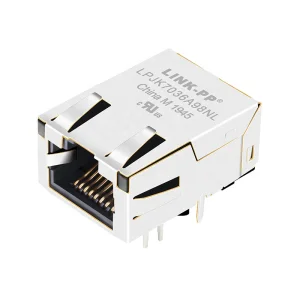
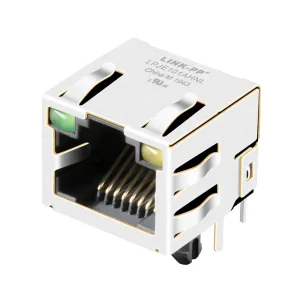
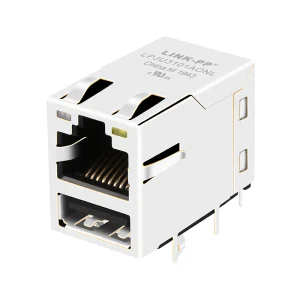
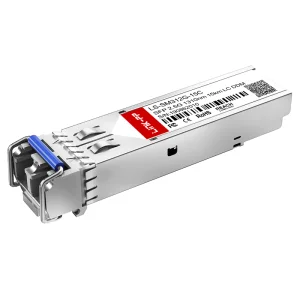
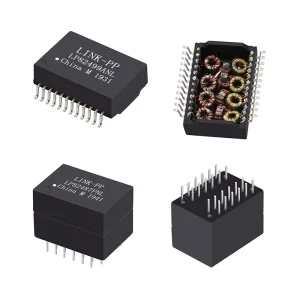
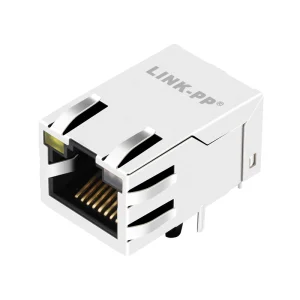
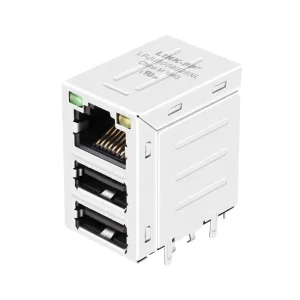
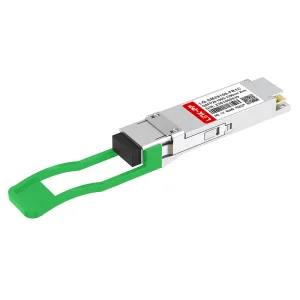
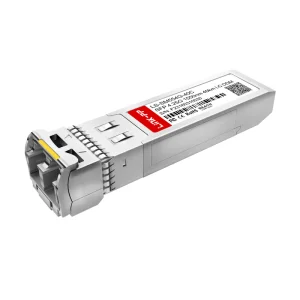
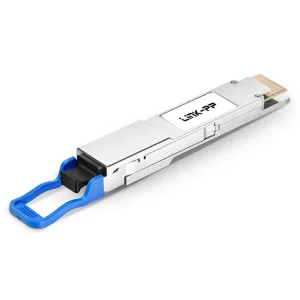
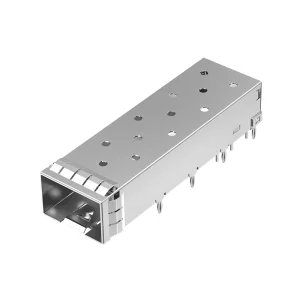
Integrate our dome fiber closures with high-speed transceivers, connectors, and magnetic interface modules to optimize signal path performance.