FiberQ
FiberQ
FiberQ
Enterprise physical connectivity layers and fiber optic transceiver modules engineered to fuel modern high-bandwidth Wireless Access Points.
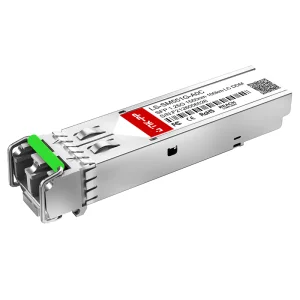
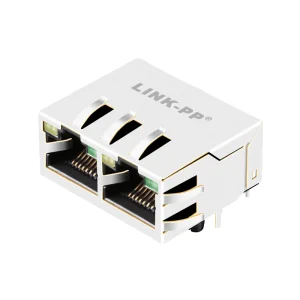
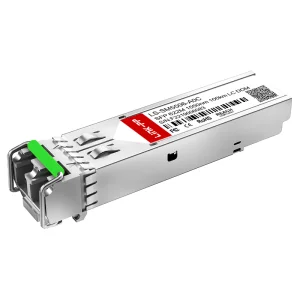
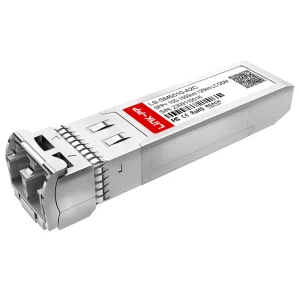
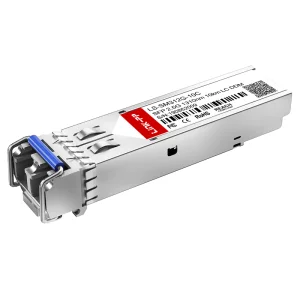
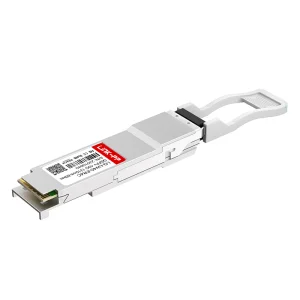
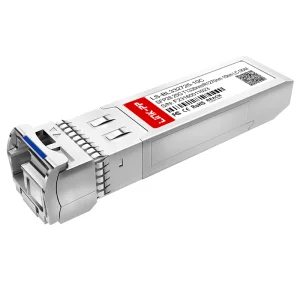
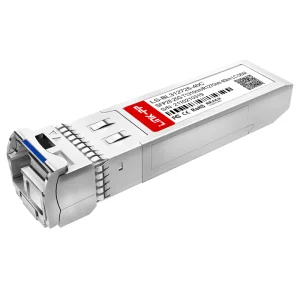
In the era of hyper-connectivity, the bottleneck of high-speed wireless transmission is no longer the over-the-air RF interface, but the underlying physical backhaul infrastructure. As the industry transitions from Wi-Fi 6E to the massive multi-gigabit throughput of Wi-Fi 7 (IEEE 802.11be) and future Wi-Fi 8, Wireless Access Points (WAPs) demand unparalleled data pipelines. An enterprise-grade WAP serving hundreds of concurrent client devices requires a high-performance network interface capable of handling 2.5 Gbps, 5 Gbps, 10 Gbps, or even 25 Gbps uplinks. FiberQ Photonics Technology Co., Ltd. stands at the vital convergence point of wireless backhaul and optical-fiber transport, serving as a trusted OEM/ODM manufacturer of crucial connectivity systems.
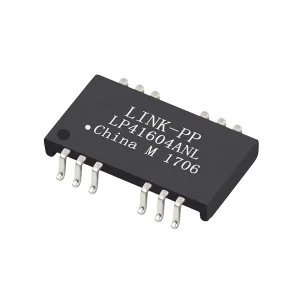
Established in 2015, FiberQ Photonics has integrated optical engineering, material science, and high-density semiconductor packaging to create high-speed SFP/QSFP transceiver systems, low-latency magnetic transformers, and noise-isolated RJ45 interconnect interfaces. This whitepaper analyzes the macroeconomic state of the wireless access point industry, provides a technical deep dive into signal integrity, outlines localization compliance frameworks, and charts the future development path of integrated enterprise networks.
Drawing on 12 years of industry experience and 6 years of international export pedigree to ship resilient network architectures worldwide.
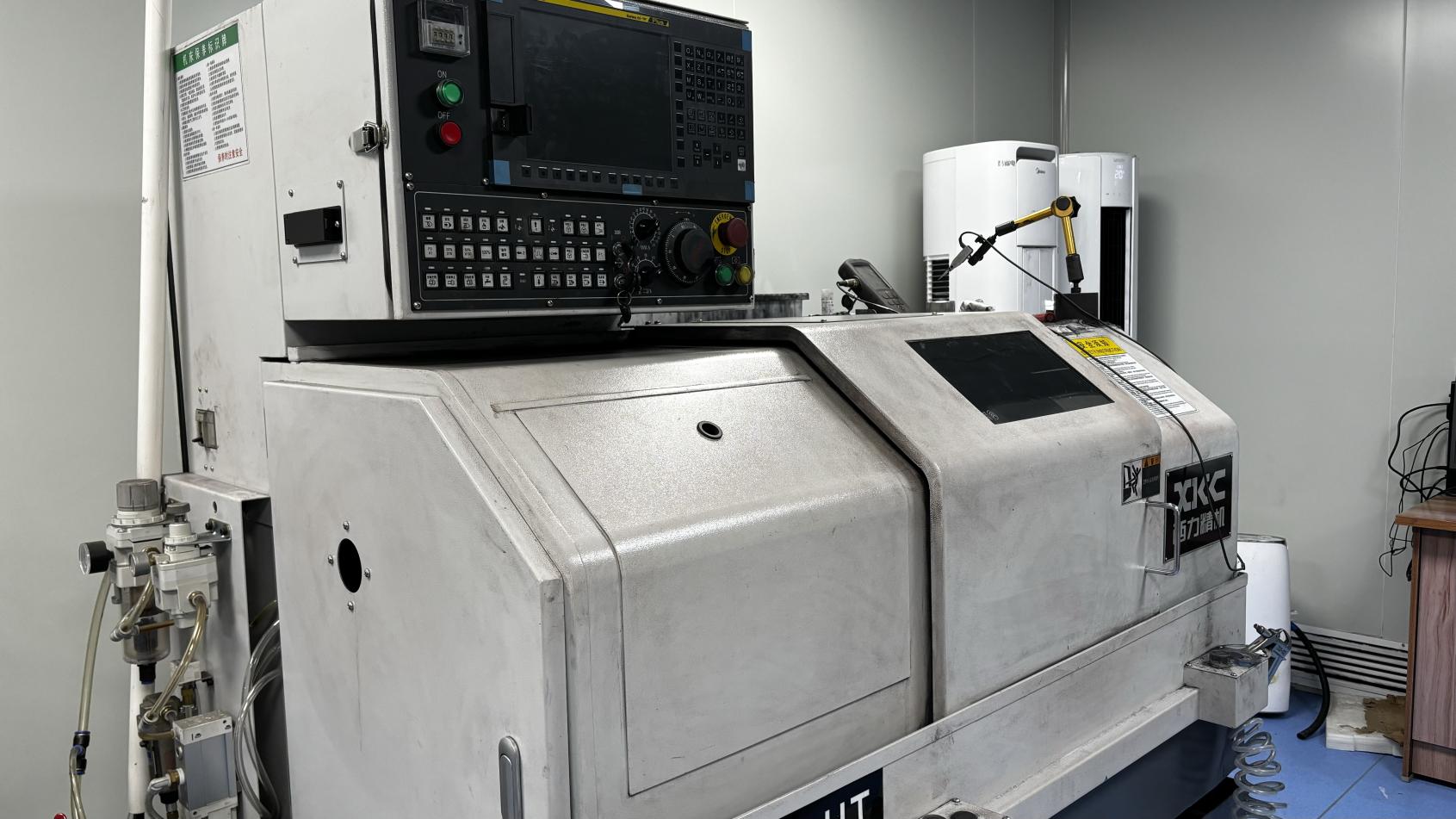
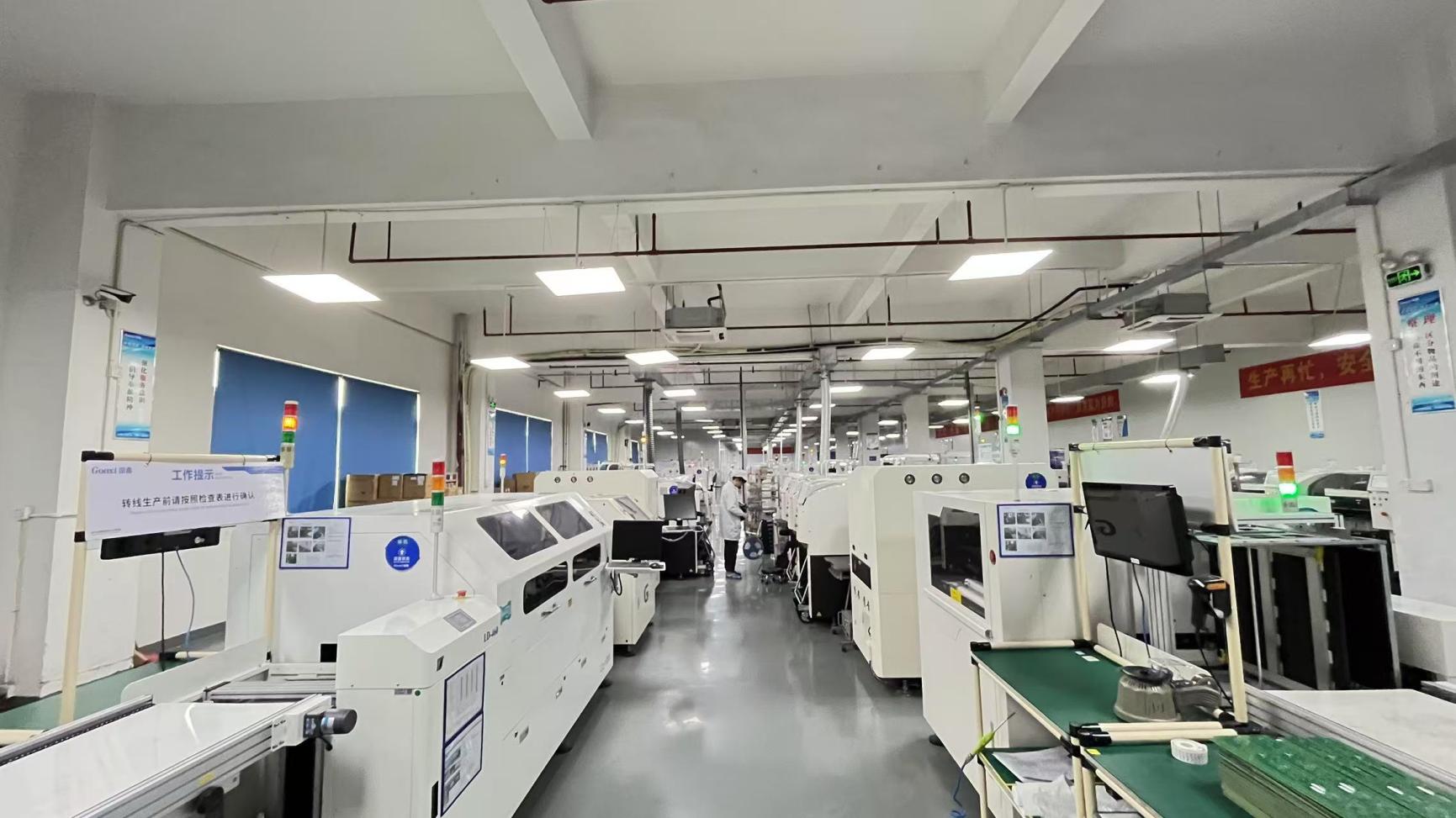
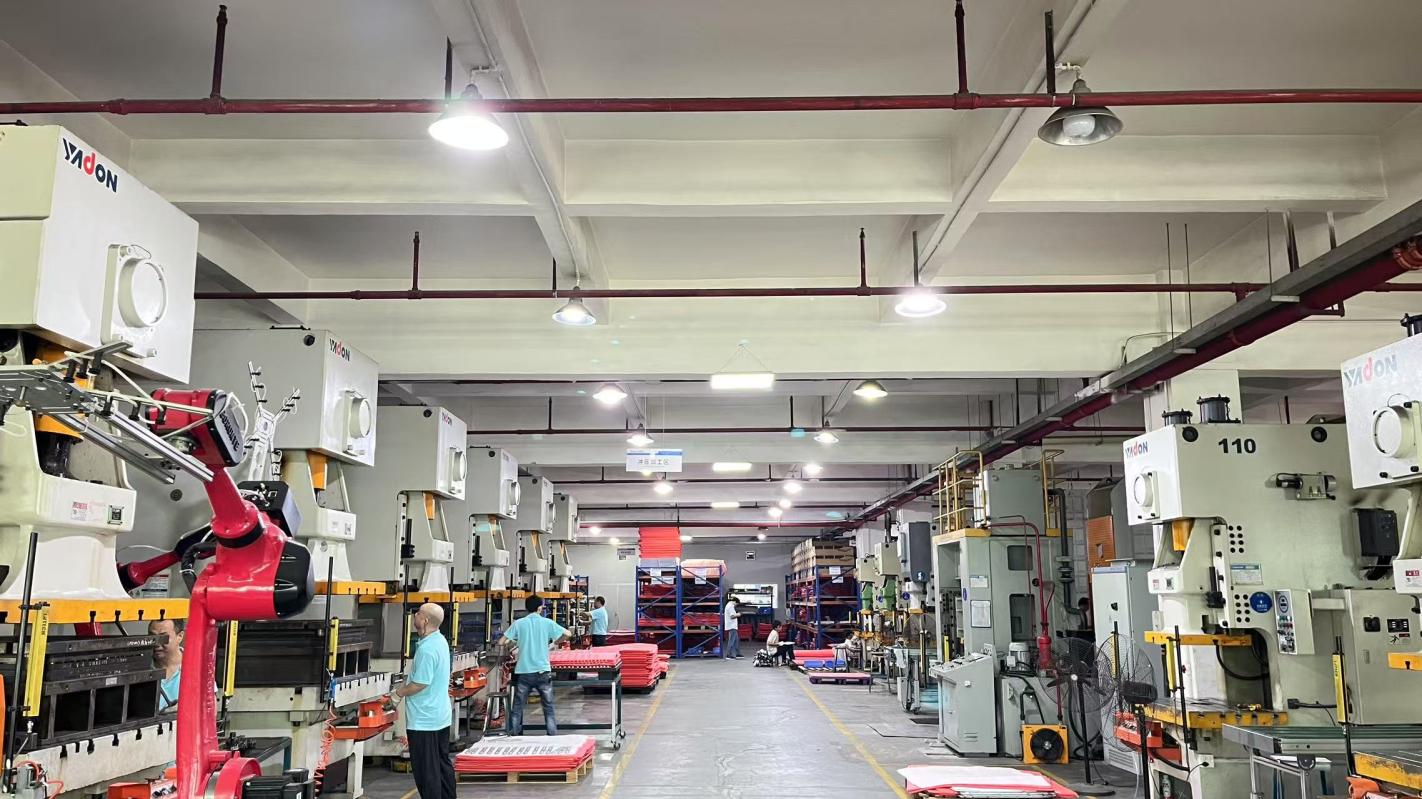
Our modern 12,600m² manufacturing facility is optimized for high-volume automated production and precision-grade quality control.
240 R&D engineers focused on optical simulation, high-frequency PCB layouts, thermal models, and multi-vendor firmware compatibilities.
In modern industrial and enterprise networking, a Wireless Access Point is only as fast as its backhaul. As client densities increase—driven by IoT sensors, mobile devices, and AI-enabled edge systems—wireless factories are transitioning from gigabit interfaces to Multi-Gigabit Ethernet (2.5G/5G/10G) and dedicated fiber optic uplinks. A classic wireless access point architecture relies on two key physical inputs:
The global wireless infrastructure market is experiencing localized shifts. In North America and Europe, enterprise deployment of Wi-Fi 6E and Wi-Fi 7 is accelerating, with a major focus on cloud-managed distributed networks. This demands that WAP manufacturers offer modular, customizable hardware designs. In the Asia-Pacific region, industrial automation, smart sea ports, and high-density high-speed rail stations are driving the demand for hardened, industrial-grade access points. These units must operate in extreme temperatures ranging from -40°C to +85°C.
FiberQ Photonics supports this diverse global supply chain through OEM and ODM partnerships with approximately 1,450 supply chain partners. This network ensures a stable supply of core optoelectronic components, premium silicon chips, high-temperature magnetic cores, and high-speed electrical connectors, preventing production bottlenecks during global supply chain disruptions.
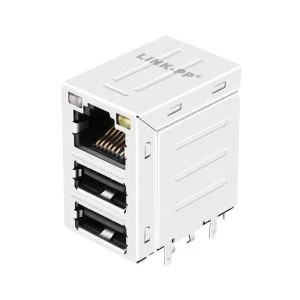
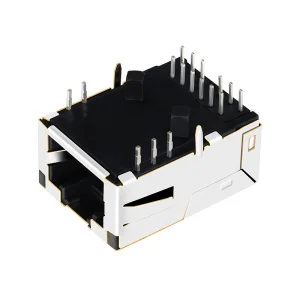
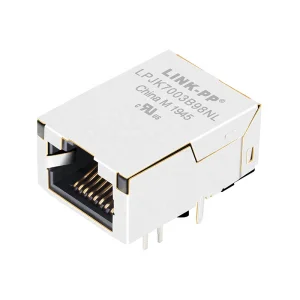
High-density office towers and university campuses require low-power, compact, integrated RJ45 sockets with built-in magnetics and LEDs. This optimizes PCB real estate inside low-profile, ceiling-mounted access points while maintaining high ESD (electrostatic discharge) safety margins.
Applicable Component: LPJK7003A98NL & LPJU5125BONLHarsh industrial settings—such as chemical plants, marine shipping terminals, and automated mines—rely on fiber backhauls to span distances of up to 40km or 100km. These systems must resist electromagnetic interference (EMI) from heavy machinery and high-voltage power lines.
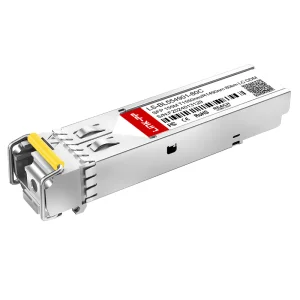
Applicable Component: SFP28 25G BiDi 40km & SFP 10G 120kmExporting networking hardware globally requires compliance with strict regional regulations and multi-vendor compatibility. FiberQ Photonics' compliance framework covers several key areas:
Our integrated communication and backhaul components are deployed in three primary application scenarios:
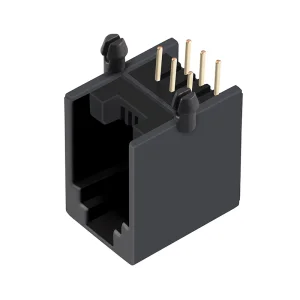
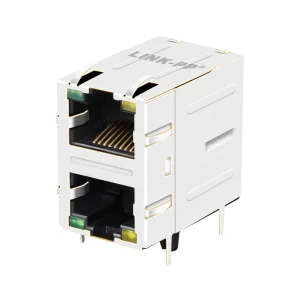
A. Automated Guided Vehicles (AGVs) in Smart Warehouses: Modern logistics hubs deploy warehouse-wide wireless networks. Fast-moving AGVs rely on seamless roaming between access points. The physical access points must feature robust RJ45 connections, such as the *Tyco 1840718-6 Compatible Modular Jack*, to withstand constant mechanical vibration and maintain stable physical contact.
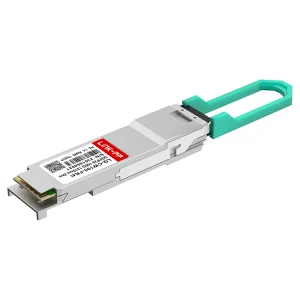
B. High-Density Public Venues (Stadiums and Airport Terminals): With tens of thousands of users connected to a single network segment, access points must support dense multi-user MIMO arrays. The backhaul capacity is upgraded to 25G or 40G using *QSFP+ 40G* or *SFP28 25G* optical transceivers, routing fiber directly to the access point's chassis to eliminate latency bottlenecks.
C. Edge Computing and Smart Grid Substations: Power stations produce severe electromagnetic radiation. SFP fiber optic transceivers provide complete galvanic isolation between the switchboard and the outdoor wireless transmitter, protecting core computing systems from high-voltage surges and signal degradation.
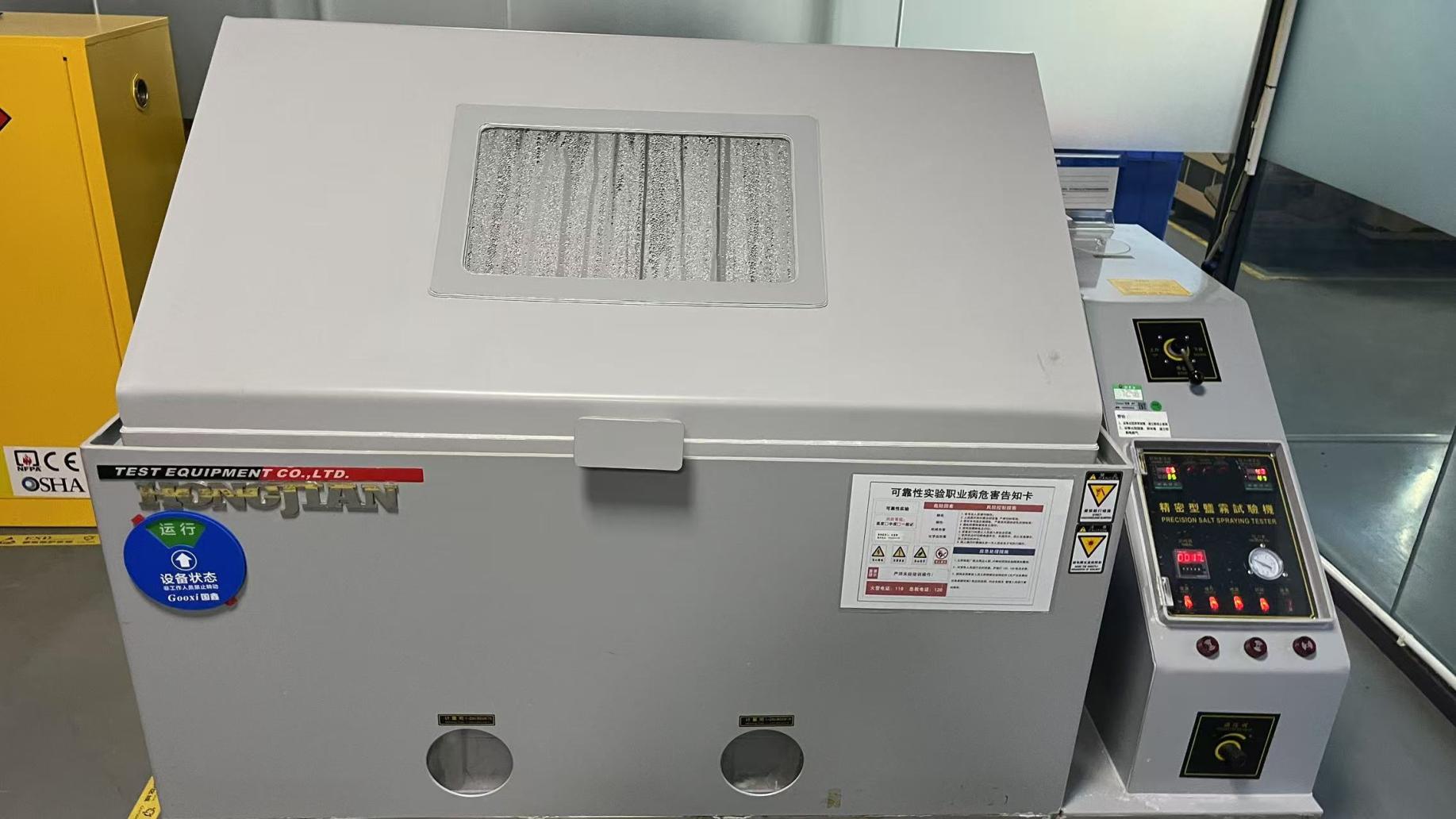
Our quality control process is built on automated testing, precision assembly, and strict physical validation. We employ 62 dedicated quality control inspectors who manage a rigorous validation cycle:
Direct view of FiberQ Photonics' state-of-the-art production lines, assembly rooms, and test laboratories.

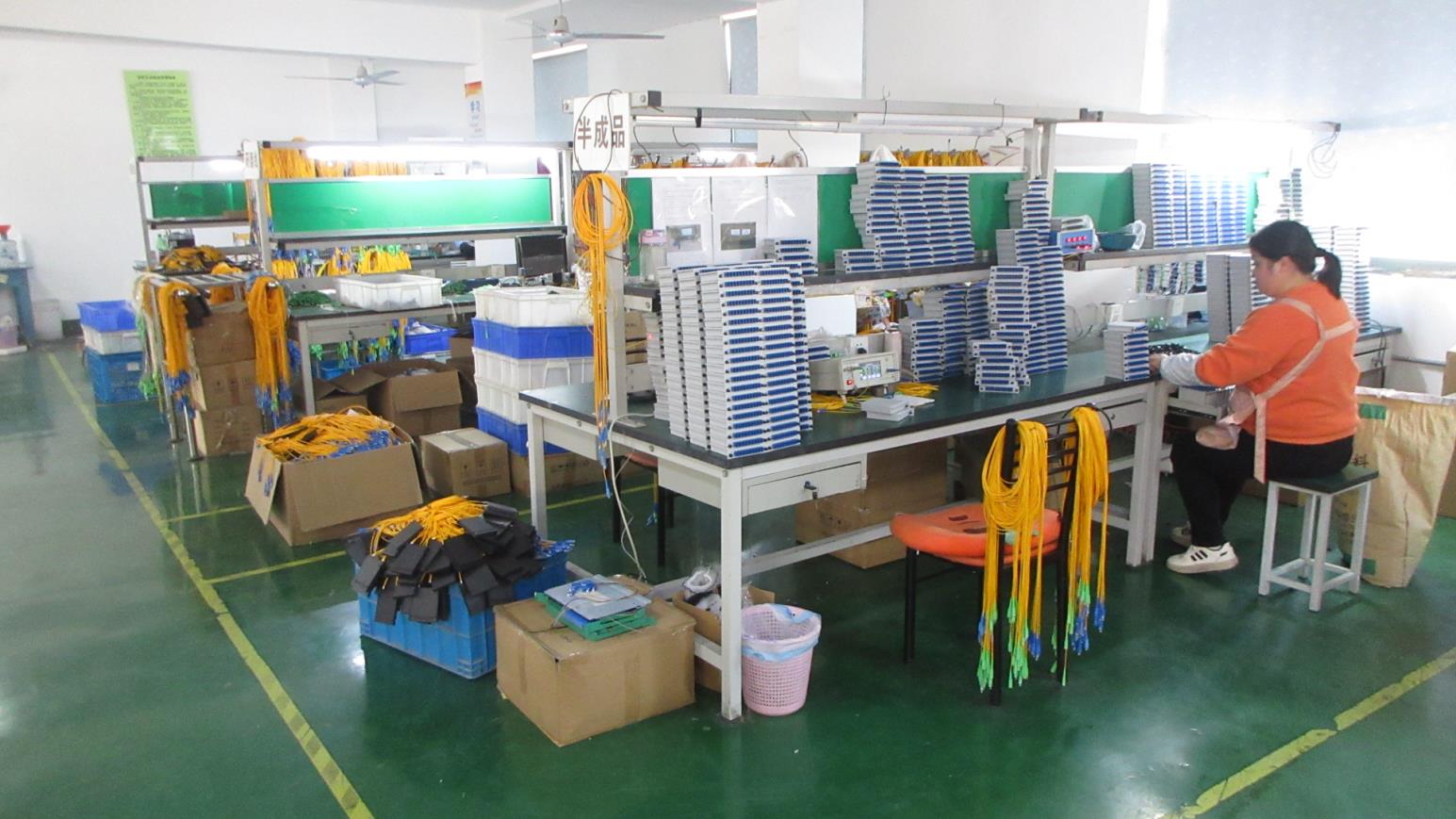
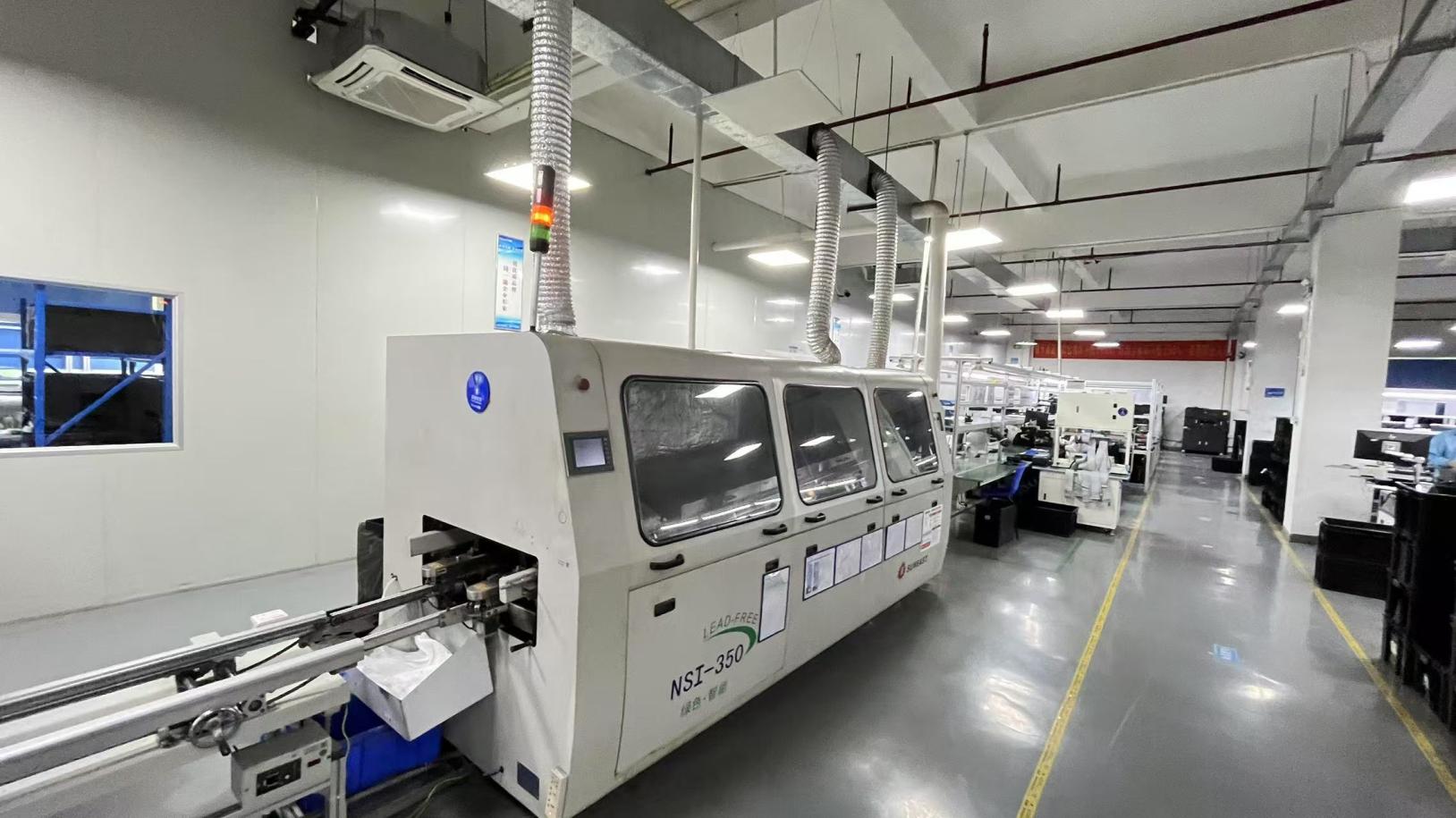
As the telecommunication landscape shifts toward next-generation wireless paradigms, FiberQ Photonics is actively developing hardware solutions for future standards:
Answering common questions on signal integrity, physical interfaces, and fiber-to-the-access-point design.
Our complete range of high-bandwidth optical modules, magnetic transformers, and Ethernet connectors designed to maintain signal integrity.